
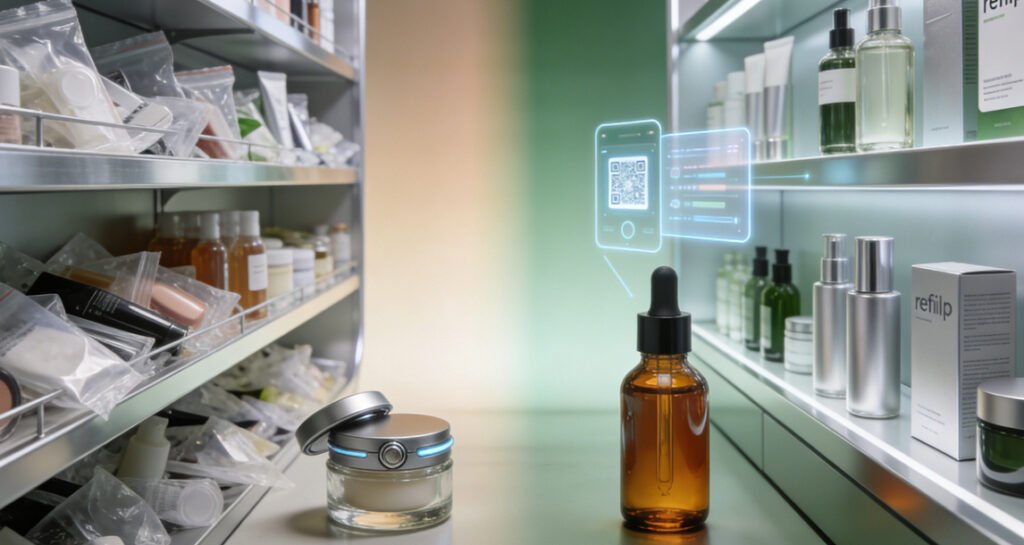
Hey there, industry leaders. Let’s be honest – the world of cosmetics packaging isn’t just about holding a product anymore. It’s the first thing your customer touches, it’s a statement about your brand’s values, and honestly, it’s a battlefield where trends are born and die fast.
We’ve been looking at the data, talking to brands, and watching the innovators. And the next decade, from 2025 to 2035, is shaping up to be the most transformative period we’ve ever seen. It’s not just about looking pretty on the shelf. It’s about being smart, responsible, and deeply connected to the person holding it.
So, what’s in store? Let’s dive in.
The Unstoppable Force: Sustainability Gets Real (And Regulated)
For years, “sustainability” has been a buzzword. But now, it’s becoming the rulebook. Consumers are smarter, and governments are stepping in. This is no longer a niche selling point; it’s the baseline expectation.
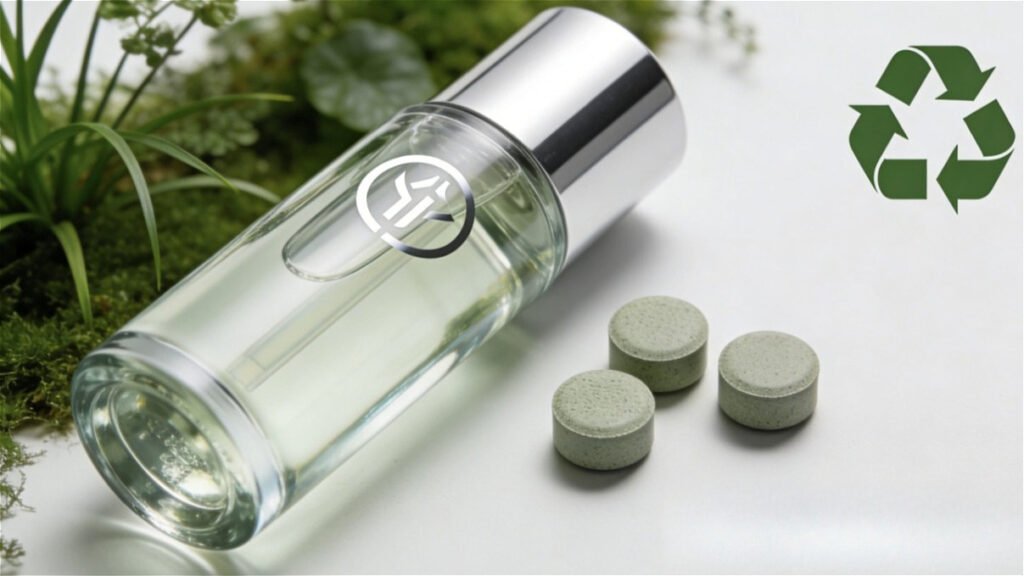
1. The Rise of Refillable Everything.
Think beyond a simple refill pouch. We’re entering the era of permanent packaging. Imagine a beautifully crafted, durable glass or aluminum skincare bottle that a customer buys once. For life. Then, they purchase affordable, lightweight, compostable refill pods. This model builds incredible brand loyalty and drastically reduces waste. It’s not a trend; it’s the future business model.
2. Materials Matter More Than Ever.
Forget vague “eco-friendly” claims. The demand is for specific, traceable materials.
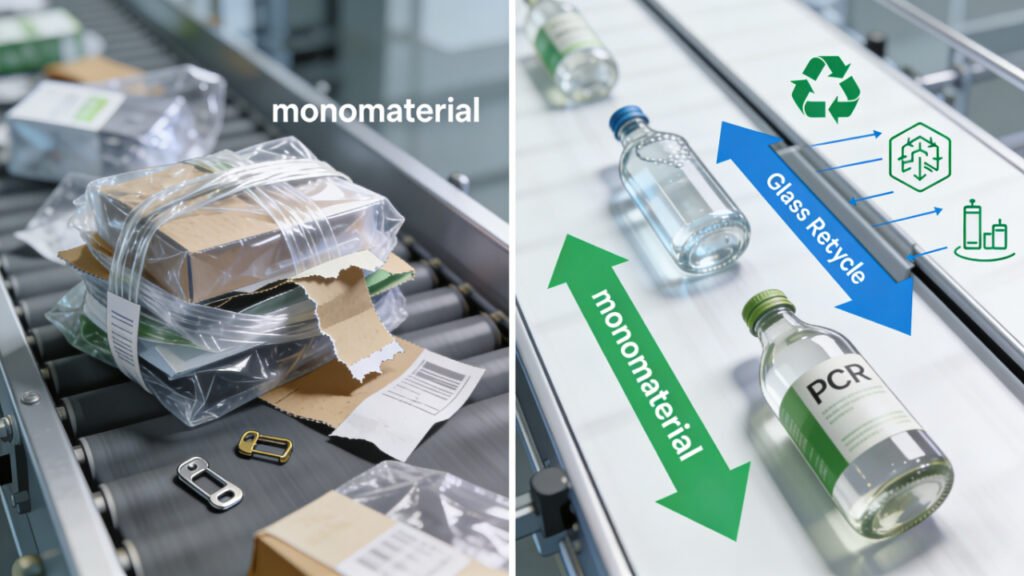
- Post-Consumer Recycled (PCR) Materials: Using PCR plastic and glass isn’t just green; it’s a powerful story. Brands will be expected to shout about the percentage of PCR in their packaging.
- Bio-based & Compostable Polymers: Materials derived from seaweed, corn, or mushrooms are moving from the lab to the mainstream. These are perfect for secondary packaging, sample sachets, and those refill pods we talked about.
- Monomaterials: Packaging made from a single type of material (like an all-PET bottle) is much, much easier to recycle than multi-layered laminates. Design for end-of-life is becoming a core part of the design process.
3. The Regulatory Hammer is Coming.
Get ready for this. Across the globe, from the EU to individual states in the US, legislation is targeting packaging waste. This will include:
- Extended Producer Responsibility (EPR): You, the brand, will be financially responsible for the entire lifecycle of your packaging, including its collection, recycling, and disposal.
- Plastic Taxes: Taxes on virgin plastic will make recycled content options not just ethical, but economically smarter.
- Bans on Specific Materials: Certain hard-to-recycle plastics and excessive secondary packaging will simply be illegal.
*Table 1: Key Sustainable Packaging Shifts (2025-2030)*
| Shift From… | Shift To… | Driver |
|---|---|---|
| Virgin Plastics | PCR, Bio-based Polymers | Consumer Demand & Regulation |
| Single-Use Packaging | Refillable & Reusable Systems | Brand Loyalty & EPR Costs |
| Complex, Multi-material | Simple, Monomaterial | Recyclability & Ease of Disposal |
| “Green” Vague Claims | Specific, Certified Claims | Consumer Skepticism & Regulation |
The Digital Layer: When Your Packaging Gets Smart
This is where it gets really exciting. Packaging is becoming an interactive gateway between your physical product and the digital world.
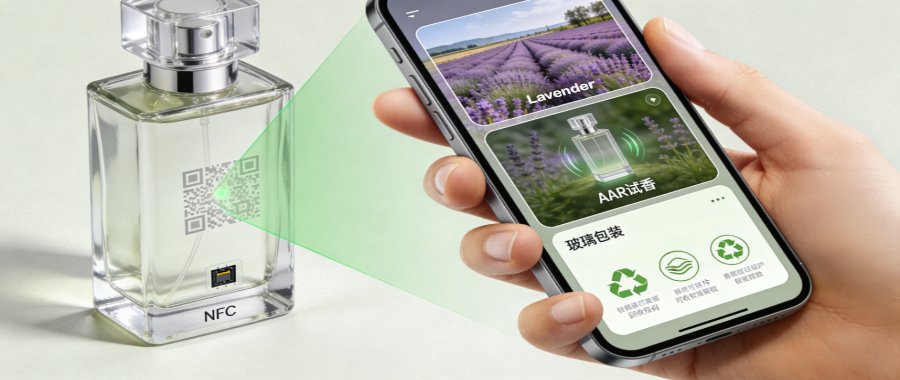
1. QR Codes 2.0: The Humble Hero.
Yeah, QR codes have been around. But now, they’re the key to everything. A simple scan can now take a customer to:
- Proof of Authenticity: Fight counterfeits by verifying the product’s unique ID.
- Detailed Sourcing Stories: Show them the farm where your lavender comes from.
- Advanced Tutorials: Not just how to apply, but AR filters to try shades virtually.
- Easy Recycling Instructions: Tell them exactly how to dispose of each component. This builds immense trust.
2. NFC and RFID: The Invisible Connector.
Near-Field Communication (NFC) is what powers contactless payments. Imagine tapping your phone on a luxury skincare bottle and instantly being taken to a personalized skincare regimen page. No app download needed. This is for high-end products where the unboxing becomes a premium, seamless digital experience. It’s about creating a moment.
3. Smart Labels that Talk.
We’re seeing early stages of labels with integrated micro-sensors. These can:
- Monitor Temperature: Crucial for products like vitamin C serums that degrade in heat.
- Indicate Freshness: A small patch that changes color if the product has been exposed to too much oxygen or is past its prime.
This isn’t sci-fi; it’s the next level of consumer safety and product integrity.
The Experience Economy: Unboxing as Marketing
In a world of digital shopping, the physical unboxing is your last, and most important, marketing touchpoint. It’s shareable. It’s memorable. It’s what gets you on social media for free.
1. Sensorial Design.
Packaging needs to feel good. This means:
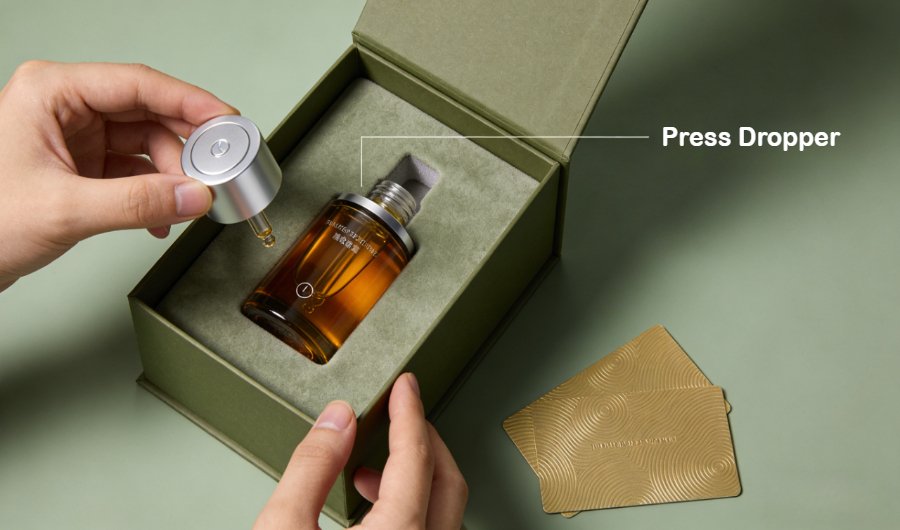
- Textured Inks and Coatings: Soft-touch finishes, raised print (like we do with hot stamping), matte surfaces.
- Unique Shapes and Closures: A magnetic cap on a serum bottle feels luxurious and satisfying. An unexpected bottle shape stands out.
- Sound: The “click” of a high-quality pump, the “thud” of a heavy glass jar. These small details subconsciously signal quality.
2. Minimalism with a Punch.
Clean, minimalist design is still king – but it has to have a twist. A pop of bold color, an incredibly elegant typography, or a uniquely shaped label. The goal is to look incredible in an Instagram grid. Remember, your packaging is a model, and its runway is the smartphone screen.
3. The Personal Touch.
Technology enables mass personalization. Imagine bottles with the customer’s name printed on them, or limited-edition designs generated from their social media data. This creates a deep emotional connection and a “fear of missing out” that drives sales.
The Materials Revolution: What Your Bottles Will Be Made Of
Alright, let’s get down to the nitty-gritty. As a packaging buyer, you need to know what’s coming down the pipeline.
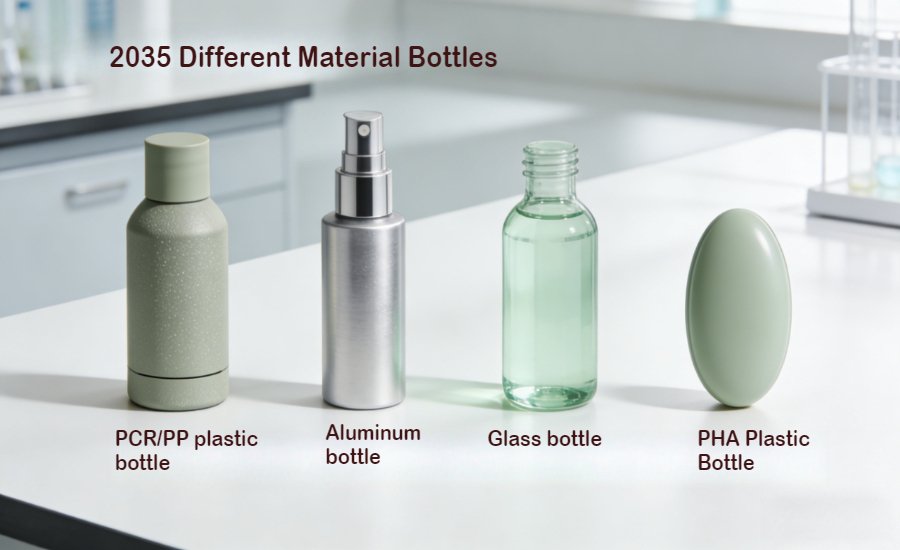
1. Aluminum is Making a Comeback.
It’s infinitely recyclable, lightweight, and has a premium, cool-to-the-touch feel. We’re seeing a big move towards aluminum bottles and tubes for serums, moisturizers, and even perfumes. It also provides excellent protection against light and air.
2. Advanced Glass Compositions.
Glass will always be associated with purity and luxury. The innovation is in making it lighter (to reduce shipping emissions) and stronger (with new coatings). Colored glass, especially amber and blue, remains crucial for protecting active ingredients from UV light.
3. The New Plastics: PHA, PEF, and more.
While we move away from virgin PET, new advanced materials are emerging:
- PHA (Polyhydroxyalkanoates): Bio-based and truly biodegradable in various environments, including the ocean.
- PEF (Polyethylene Furanoate): A plant-based polymer that performs better than PET in barrier properties, extending product shelf life.
Table 2: Material Pros & Cons for the Next Decade
| Material | Key Advantages | Challenges to Overcome |
|---|---|---|
| PCR Plastics | Reduces carbon footprint, circular story, cost-effective with taxes. | Consistency in color & supply, potential for minor imperfections. |
| Aluminum | Infinite recyclability, premium feel, excellent barrier. | Can dent, higher initial cost, not transparent. |
| Advanced Glass | Purity perception, chemical inertness, heavy luxury feel. | Weight (shipping cost), fragility. |
| Bio-based Polymers | Renewable sources, compostable options. | Higher cost, limited scalability currently, confusion on disposal. |
What This Means for You, The Packaging Buyer
This all sounds exciting, but it also makes your job more complex. Here’s your action plan:
- Start Conversations NOW. Don’t wait. Talk to your suppliers (like us!) about their roadmap for PCR materials, refillable systems, and smart packaging capabilities. The early adopters will win.
- Think in Systems, Not Just Single Bottles. Your next product launch shouldn’t just be about the bottle. It should be about the bottle, the refill, the secondary packaging, and the digital experience as one cohesive system.
- Budget for Innovation. Sustainable and smart materials often have a higher upfront cost. But you need to calculate the Total Cost of Ownership – including potential EPR fees, shipping savings from lighter materials, and the marketing value of a superior unboxing experience.
- Authenticity is Key. You can’t fake it anymore. If you make a sustainability claim, you better have the data and the certifications to back it up. Consumers and regulators will check.
Conclusion: The Future is a Partnership
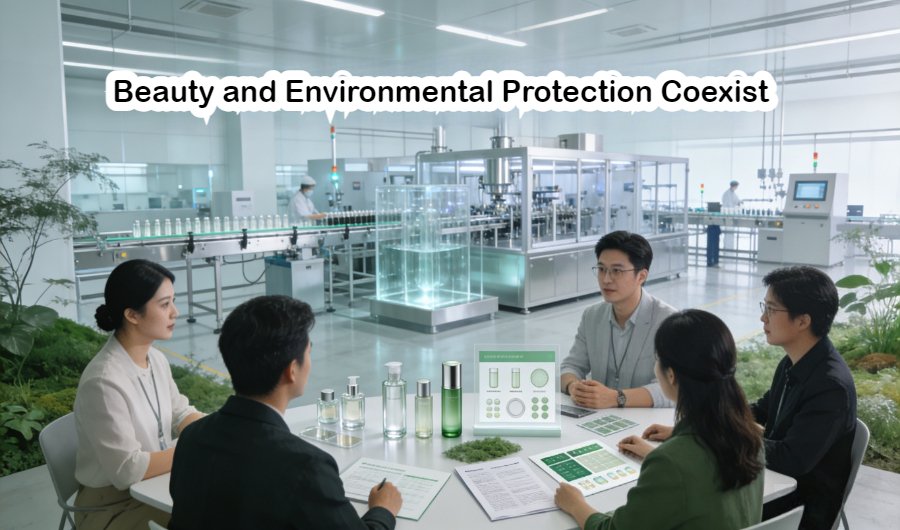
The next ten years in cosmetics packaging won’t be defined by a single color or shape. It will be defined by intelligence, responsibility, and connection. The brands that succeed will be those who see their packaging not as a cost, but as a crucial, integrated part of their product and their story.
It’s a challenging journey, but a thrilling one. And it’s a journey we need to take together – brands, designers, and suppliers – to create a future that’s beautiful, inside and out.