Year: 2025

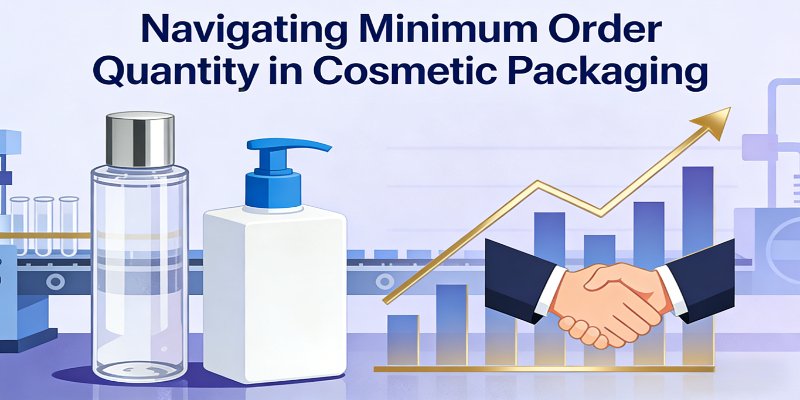
For any brand owner or procurement specialist venturing into custom cosmetic packaging, Minimum Order Quantity (MOQ) represents both a practical business requirement and a significant strategic challenge. As you stand at the crossroads of quality aspirations and budget realities, understanding MOQ is not merely about accepting a supplier's terms—it's about making informed decisions that align with your brand's growth trajectory, cash flow considerations, and market positioning.
If you’re a procurement specialist sourcing custom cosmetic or skincare packaging from China, this question isn’t just on your checklist—it’s the bedrock of your brand’s integrity: “Do you offer food-grade or cosmetic-grade materials for direct skin contact?” Choosing incorrectly isn’t an option. According to the 2024 Beauty Packaging Trend Report by Mintel, 72% of US consumers now state that ‘packaging material safety’ influences their purchasing decision, up 4 points from 2023, highlighting the accelerating demand for transparency. This guide merges practical sourcing frameworks with deep technical expertise to give you, the importer, a complete blueprint for making safe, confident decisions.
If you’re a new buyer for a cosmetic or skincare brand looking to import custom packaging from China, one of your most critical questions will be: “How long will this take?” Understanding the production timeline—from the moment you approve the final design to the day your shipment leaves the factory—is essential for planning your product launches, marketing campaigns, and inventory management. This guide breaks down the typical production lead time for custom cosmetic packaging, such as glass dropper bottles, airless pumps, and jars, explaining each stage and the factors that can influence the schedule.
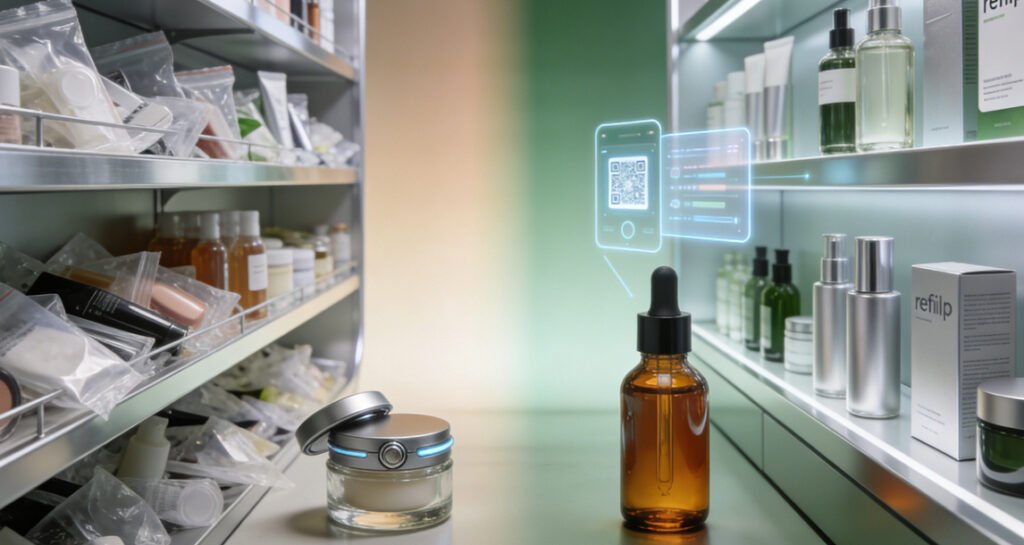
Hey there, industry leaders. Let's be honest – the world of cosmetics packaging isn't just about holding a product anymore. It's the first thing your customer touches, it's a statement about your brand's values, and honestly, it's a battlefield where trends are born and die fast. We've been looking at the data, talking to brands, and watching the innovators. And the next decade, from 2025 to 2035, is shaping up to be the most transformative period we've ever seen. It's not just about looking pretty on the shelf. It's about being smart, responsible, and deeply connected to the person holding it.
For any cosmetic or skincare brand, the journey from a brilliant formulation to a successful commercial product is fraught with critical decisions. Among the most pivotal, yet sometimes underestimated, is the selection of the primary closure—the pump, dropper, or cap that seals your product. This choice is far from merely aesthetic; it is a complex decision that sits at the intersection of chemistry, marketing, and user experience.
If you're in the business of essential oils, skincare, or private label cosmetics, you've likely encountered a frustrating reality: the price of your packaging, particularly glass dropper bottles, seems to be a moving target. One month you get a great quote, and the next, your supplier is talking about price adjustments. This volatility can wreak havoc on your budgeting and product pricing strategies.
In the highly competitive cosmetics industry, packaging serves as the critical first point of contact between your products and consumers. For business buyers in cosmetic packaging procurement, understanding what makes packaging attractive is essential for driving sales, building brand identity, and creating memorable customer experiences. This comprehensive guide examines the key elements that contribute to successful cosmetic packaging from a B2B perspective.
If you’re reading this blog, you’re probably building your own nail polish brand. That’s awesome! Welcome. As a factory that makes millions of these bottles every year, we get this question all the time: "What is the normal size?" It seems like a simple question. But for a business owner, the answer is more complex. The "normal" size depends on your brand, your customers, and your budget. This guide will help you understand the standard sizes. We will also talk about why the size you choose is one of your most important business decisions.
As a cosmetic brand owner or procurement specialist, selecting the right packaging for your face cream is a critical decision. The jar you choose affects product shelf life, customer perception, sustainability, and cost. This guide breaks down the pros and cons of plastic vs. glass face cream jars, helping you make the best choice for your brand.
Raise your hand if you finish a nice serum or essential oil, look at the pretty glass bottle with its handy dropper, and think: "This seems too good to throw away. Can I reuse it?" The short answer is yes, but there's more to know. As someone who cares about saving money, reducing waste, and staying safe, you'll want to read this complete guide. I'll walk you through everything - from proper cleaning to when you should definitely not reuse a bottle.

Ask For A Quick Quote

We will contact you within 1 working day, please pay attention to the email with the suffix “@aimoqipackaging.com”.